
Power of Attorney for NRIs: How to Manage or Sell Property in India from Abroad
If you live overseas, a power of attorney lets someone you trust deal with your property in India. Here is how to sign it abroad, get it accepted in India, and limit the risks.
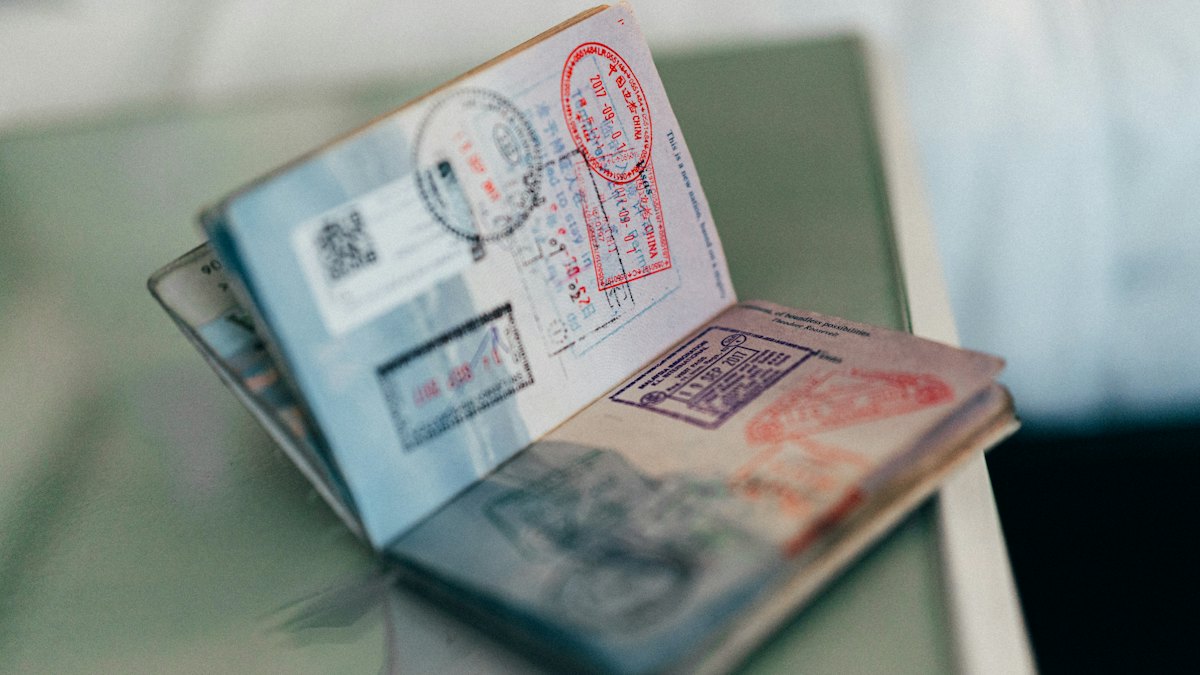
Owning property in India while living abroad means tenants to manage, taxes to pay and, sometimes, a sale to complete without being able to travel. A power of attorney (PoA) lets you authorise a trusted person in India to act for you. Done carefully, it is safe and effective. Done carelessly, it can put your property at risk.
General or specific power of attorney
A general power of attorney gives wide authority over your affairs. A specific (or special) power of attorney is limited to named acts, such as renting out one flat or signing the sale deed for one property. For most NRIs a specific PoA is the safer choice, because the attorney can do only what the document lists.
What a PoA can cover
- Managing and maintaining the property and dealing with the housing society.
- Letting the property, signing the rent agreement and collecting rent.
- Paying property tax, electricity and water charges.
- Representing you before the Sub-Registrar, municipal offices and banks.
- Negotiating a sale, signing the agreement for sale and the sale deed, and handing over possession.
How to execute a PoA from abroad
- Draft the document with full details of yourself, your attorney and the property, and a precise list of powers.
- Sign it before the Indian Embassy or Consulate, which attests your signature. In many countries you can instead sign before a local notary and have the document apostilled.
- Send the original to India.
- Have it stamped in India. Under the Indian Stamp Act, 1899, a document signed outside India can be stamped within three months of first being received in India. Your attorney presents it to the stamp authority for this.
- Register it where required. A PoA that authorises the sale of immovable property generally has to be registered, and the rules depend on the state.
A PoA does not transfer ownership
In Suraj Lamp and Industries v. State of Haryana (2011), the Supreme Court made it clear that a sale through a general power of attorney does not transfer title. Ownership of immovable property passes only through a registered sale deed. A genuine PoA is still perfectly valid for its real purpose, which is to let your attorney sign that registered deed on your behalf.
Stamp duty is another reason to choose your attorney with care. In several states the duty on a PoA for sale is much lower when it is given to a close family member than when it is given to an outsider.
Safeguards worth building in
- Name one property and list specific powers, rather than giving blanket authority.
- Set an expiry date, or state that the PoA ends when the transaction is complete.
- Require sale proceeds to be paid only into your own bank account in India, usually your NRO account.
- Exclude the power to gift or mortgage the property unless you really intend it.
- Keep the right to revoke. If you do revoke, do it in writing and inform the Sub-Registrar, the housing society and the bank.
Remember that the buyer of a property sold by an NRI has to deduct tax at source at the rates that apply to non-residents, and that sending the proceeds abroad is subject to RBI and FEMA rules. Plan for both before agreeing a price.
When a PoA comes to an end
In most cases a power of attorney ends when you revoke it, when its purpose is completed or its term expires, or on the death of either you or the attorney.
Lealte offers online drafting for a power of attorney for sale of property and a power of attorney for property management, and supports NRIs on wider property and legal matters in India.
Official sources for the law mentioned in this article: India Code (the text of central and state Acts).